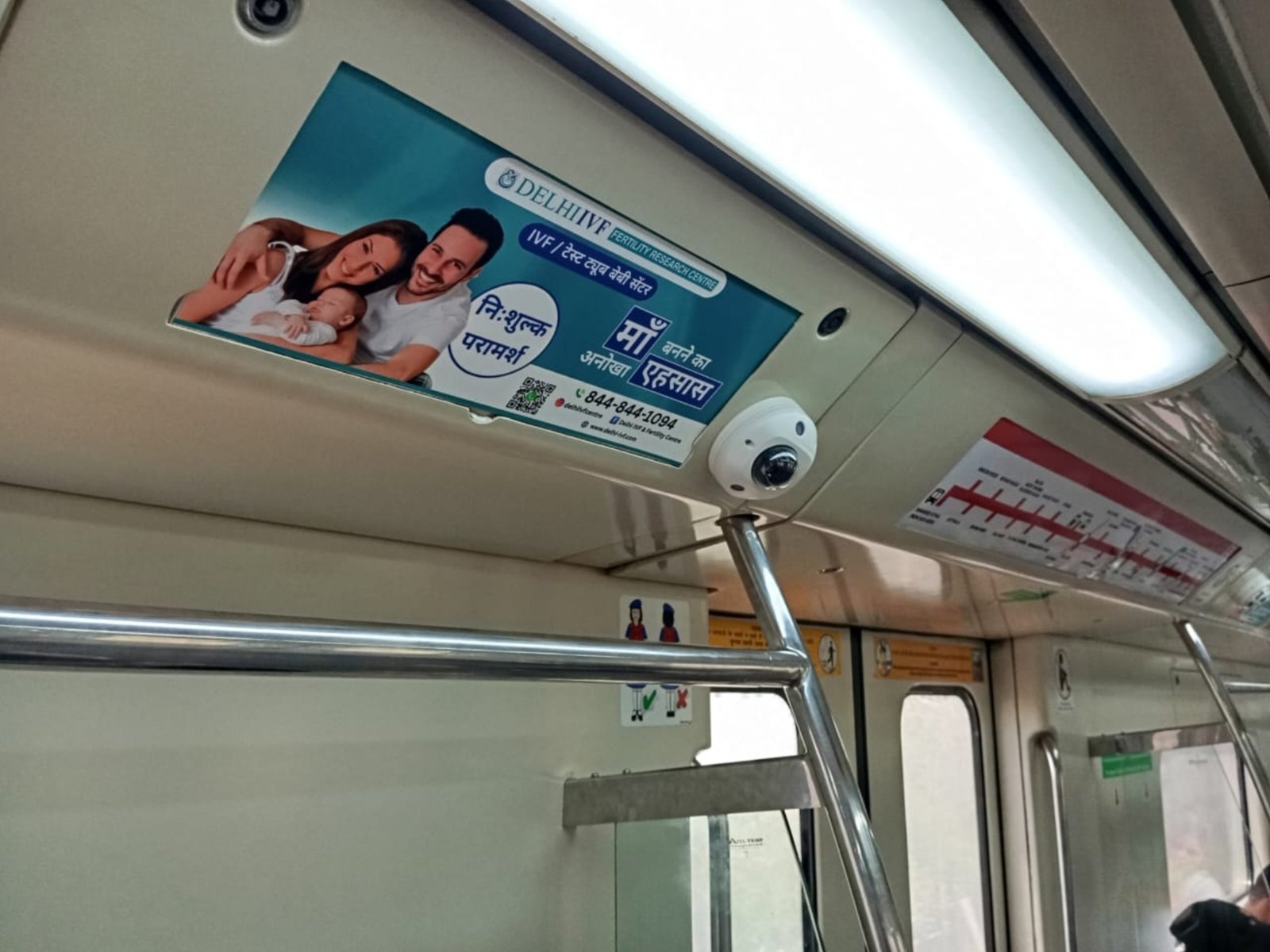
The Delhi Metro carries lakhs of commuters across Delhi NCR every day. Because people ride the same routes again and again, a metro campaign gets seen repeatedly, which builds familiarity and trust.
This guide explains the main metro advertising formats, who they suit and how to plan a campaign.
Metro advertising formats
The right format depends on your budget and how much impact you want:
- Station and concourse branding around entry and exit points.
- Platform panels and pillar wraps where people wait.
- Train wraps, inside and outside the coach.
- Escalator, staircase and floor branding.
- Digital screens for rotating messages.
Benefits of advertising in the metro
Metro riders are a captive audience with time to look around, so your message gets more attention than a quick roadside glance. The audience is also well defined: office-goers, students and shoppers. You can focus on the lines and stations closest to the people you want to reach.
Who should advertise in the metro
- Education, coaching and college admission brands.
- Banks, finance and insurance companies.
- Jobs portals, apps and consumer services.
- Retail, malls and showrooms near stations.
How to start a metro campaign
Pick the lines and stations that match your audience. Choose a format that fits your budget and plan a run of a few weeks or months so people see the message many times. Keep the creative short, with a strong brand name, one offer and a clear phone number or QR code.
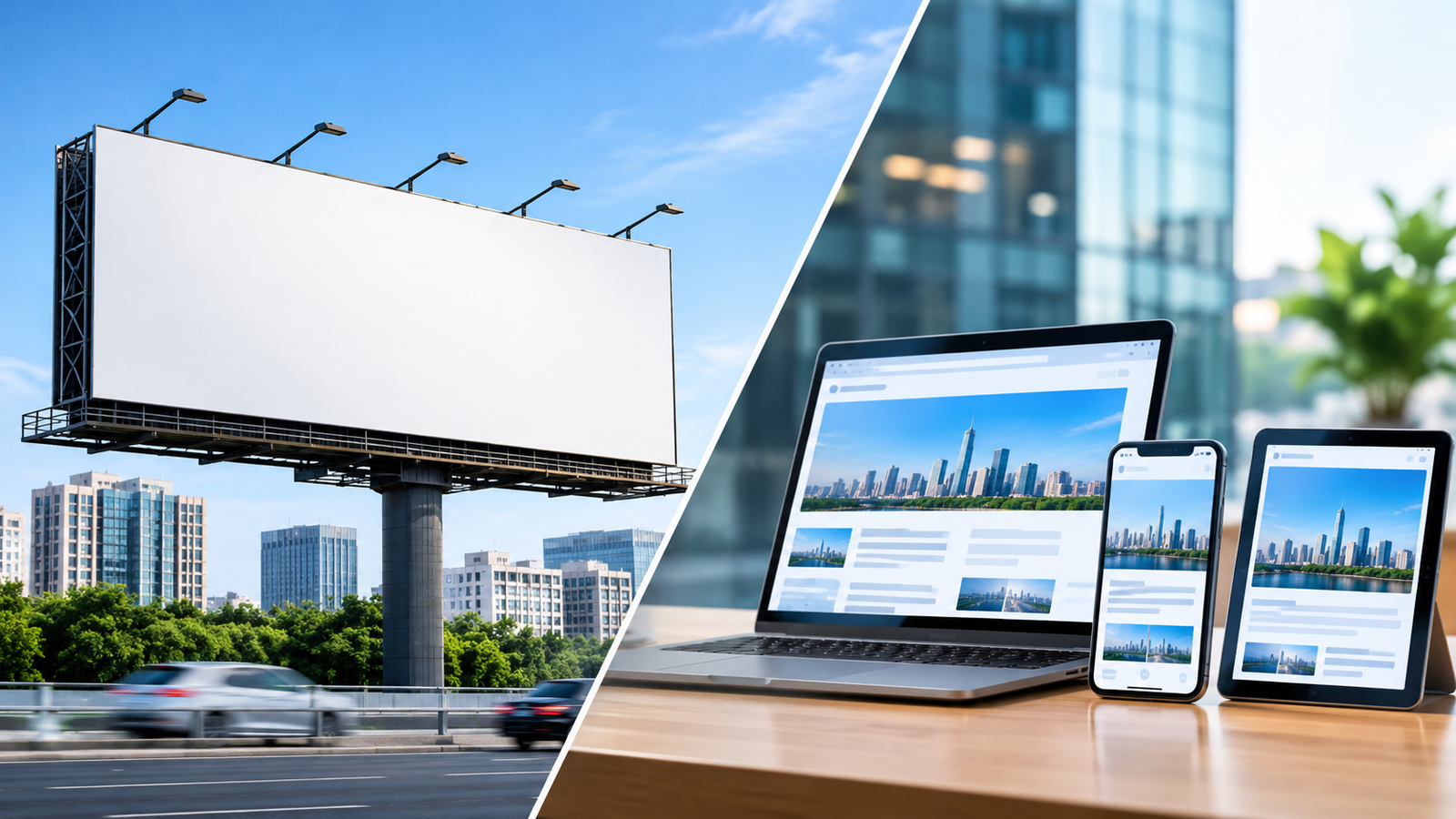
Many brands also add hoardings around the same stations so people see the message before and after their ride.
Frequently asked questions
Can I advertise at just one station?
Yes. A single busy station can be a good start for a local business. We can also plan a group of stations along one line.
How long should a metro campaign run?
A few weeks is a common start. Longer runs help build recall, and we can plan the duration with you.
Planning a campaign?
Tell us your city, budget and goal. We will reply with site options and pricing.